|
Szymon Płotka I am an Assistant Professor at Faculty of Mathematics and Computer Science, Jagiellonian University in Kraków, Poland 🇵🇱. Member of the Group of Machine Learning Research (GMUM). At Jagiellonian University, I have been working on machine learning, deep learning, and computer vision in applications to medical image analysis. I did my PhD at the Informatics Institute, University of Amsterdam, the Netherlands 🇳🇱, where I was supervised by Clara I. Sánchez, Ivana Išgum, and Arkadiusz Sitek from Massachusetts General Hospital, Harvard Medical School. In September 2026, I was Visiting Researcher at Massachusetts General Hospital and Harvard Medical School, USA 🇺🇸. |

|
Research interestI am interested in machine learning, deep learning, computer vision in application to medical image analysis, especially medical image segmentation, medical vision-language models, multimodal learning. |
Selected publications |
|
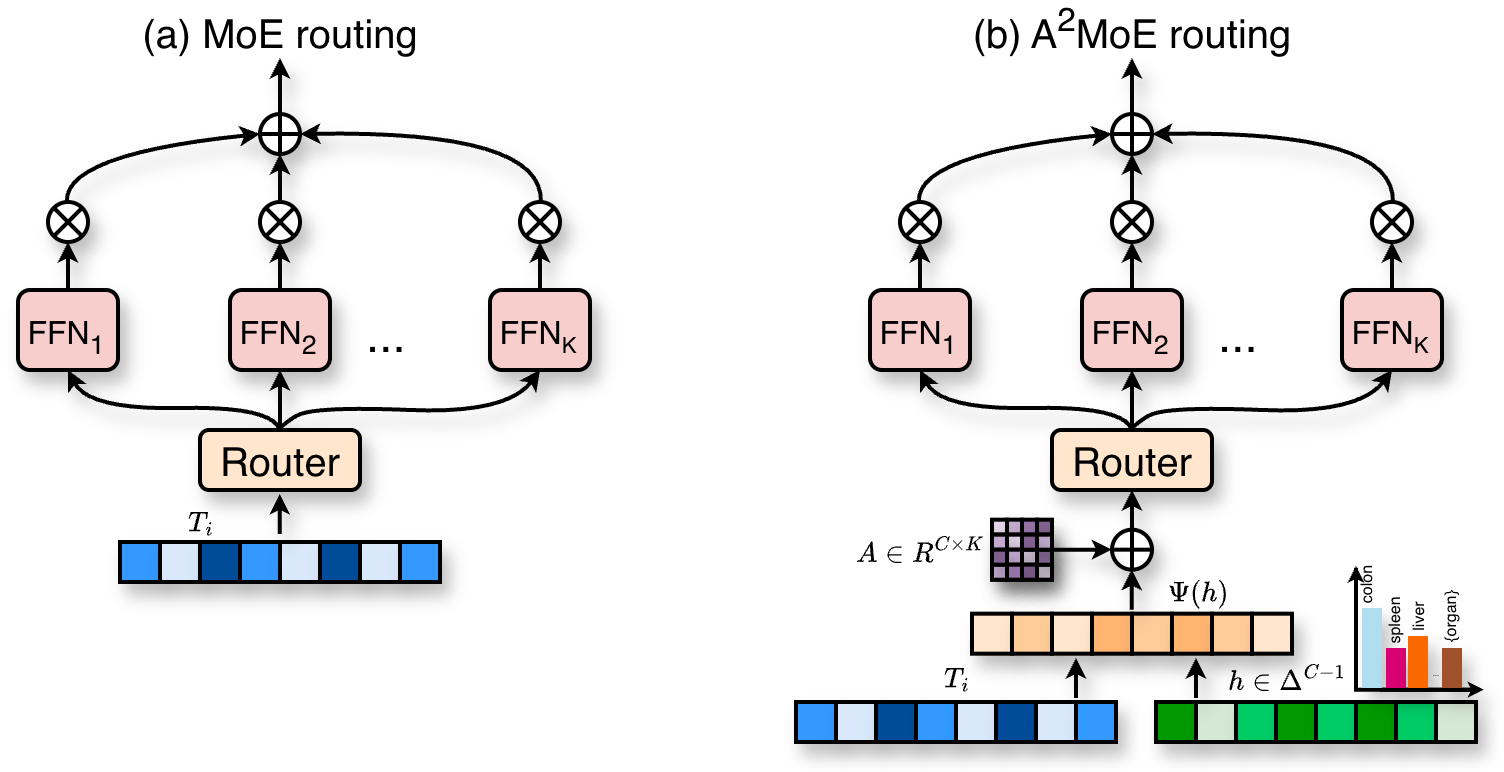
Szymon Płotka, Gizem Mertn, Pedro R. A. S. Bassi, Wenxuan Li, Zongwei Zhou, Anna Marcinkiewicz, Wiktoria Romańczyk, Jarosław B. Ćwikła, Łukasz Struski, Ewa Szczurek, Jacek Tabor, Arkadiusz Sitek Advances in Neural Information Processing Systems (NeurIPS), 2026 Paper / Code We propose A2MoE, a framework incorporating anatomical inductive biases through two components: (1) a Histogram Representation Router (HRR) that guides expert specialization using global context and anatomy histograms; and (2) an inference-time Organ-Query Multi-Scale Projector (OQMSP) that extracts organ-level embeddings via learnable queries for annotation-free alignment. |
|
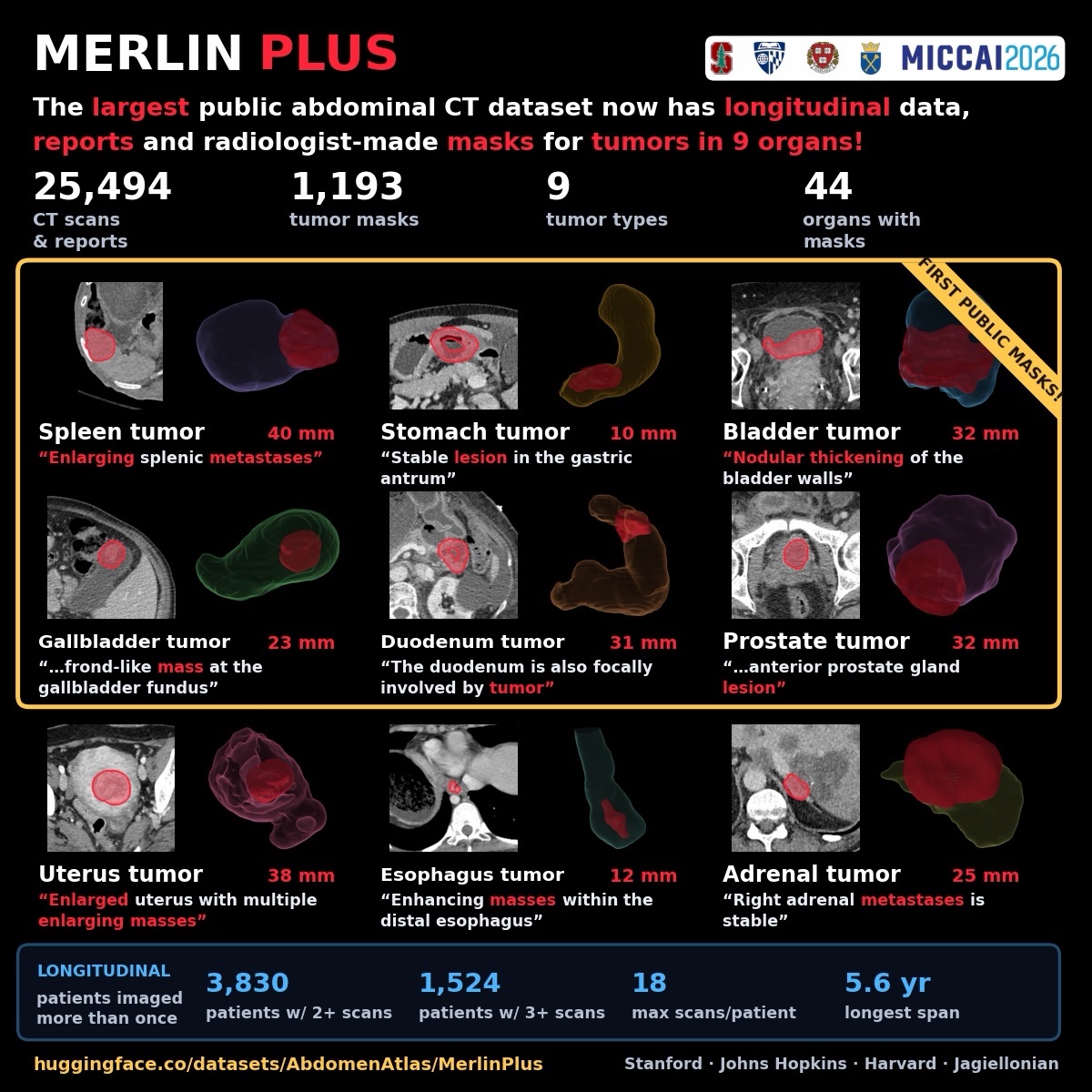
Pedro R. A. S. Bassi, Wenxuan Li, Szymon Płotka, Ruby Honjol, Jakub Prządo, Xinze Zhou, Kang Wang, Yang Yang, Malte Jensen, Akshay S. Chaudhari, Curtis P. Langlotz, Allan L. Yuille, Zongwei Zhou Medical Image Computing and Computer Assisted Intervention (MICCAI), 2026 Paper / Dataset We present Merlin Plus, the first large-scale CT dataset with radiologist-created tumor masks across 9 organs. Merlin Plus extends the Merlin dataset by adding 1,153 per-voxel tumor masks and longitudinal metadata. |
|
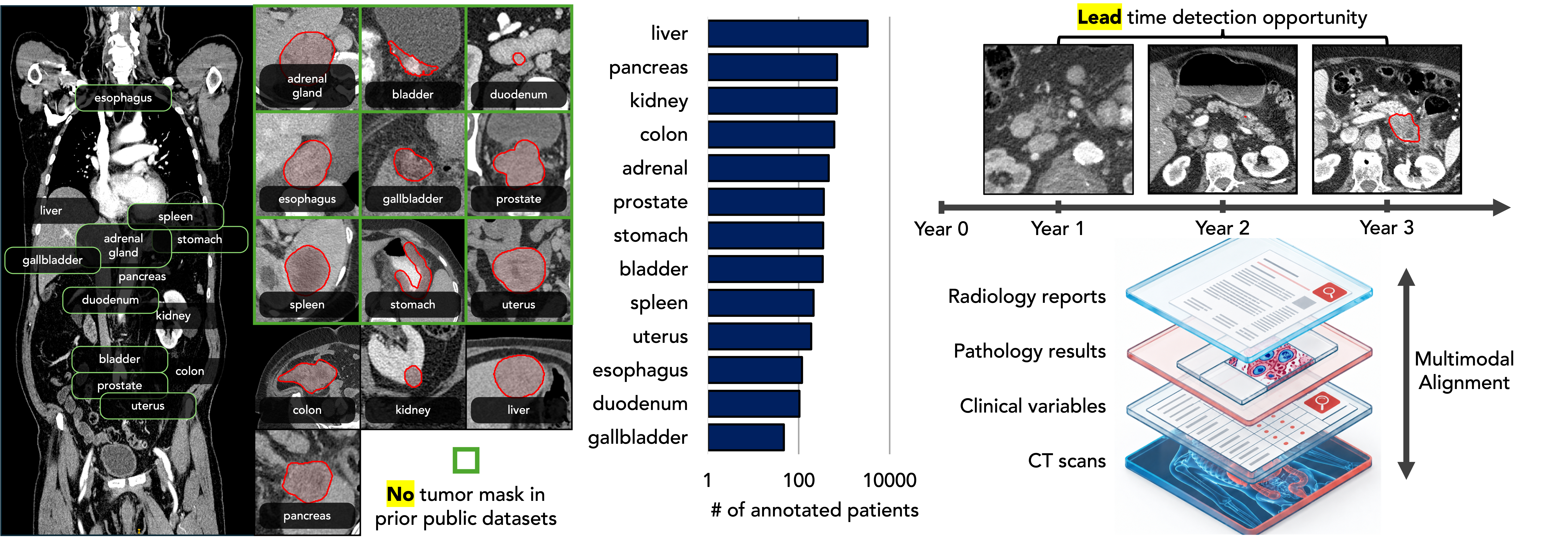
Wenxuan Li, Pedro R. A. S. Bassi, Xinze Zhou, Jakob Wasserthal, Ibrahim E. Hamamci, Sezgin Er, Bjoern H. Menze, Gulhan E. Akan, Szymon Płotka, Jakub Prządo, Qi Chen, Yucheng Tang, Arkadiusz Sitek, Kang Wang, Yang Yang, Allan L. Yuille, Zongwei Zhou Medical Image Computing and Computer Assisted Intervention (MICCAI), 2026 🏆MICCAI Best Paper Award (Runner-up) Paper / Dataset We present CancerVerse, the first large-scale open-source longitudinal and multimodal dataset for multicancer screening. It contains 24,168 CT scans from 13,863 patients, with voxel-wise tumor annotations for 13 cancer types in the pelvis, abdomen, and chest. |
|
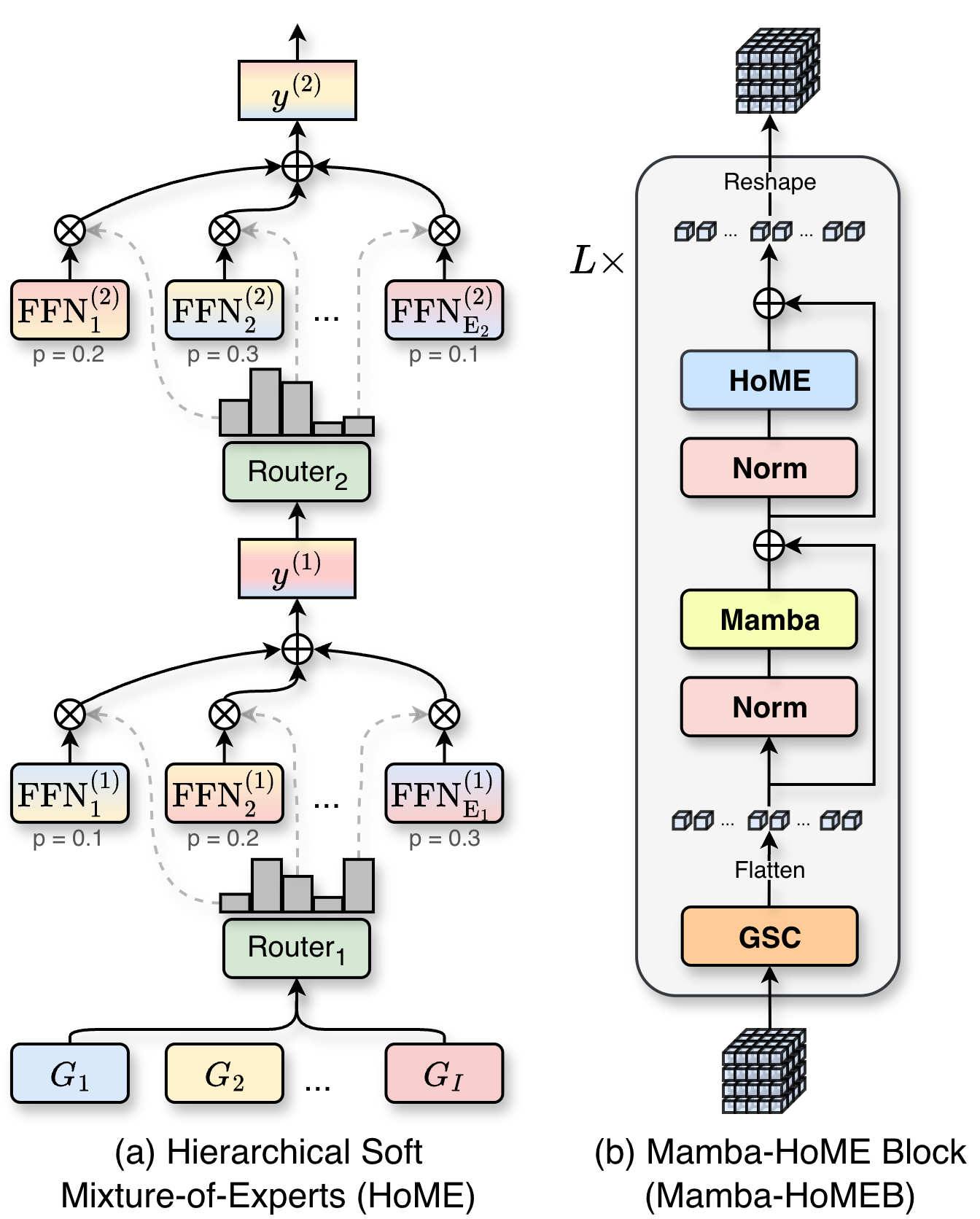
Szymon Płotka, Gizem Mertn, Maciej Chrabaszcz, Ewa Szczurek, Arkadiusz Sitek Advances in Neural Information Processing Systems (NeurIPS), 2025 Paper / Code We introduce Hierarchical Soft Mixture-of-Experts (HoME), a two-level token-routing layer for efficient long-context modeling, specifically designed for 3D medical image segmentation. |
|
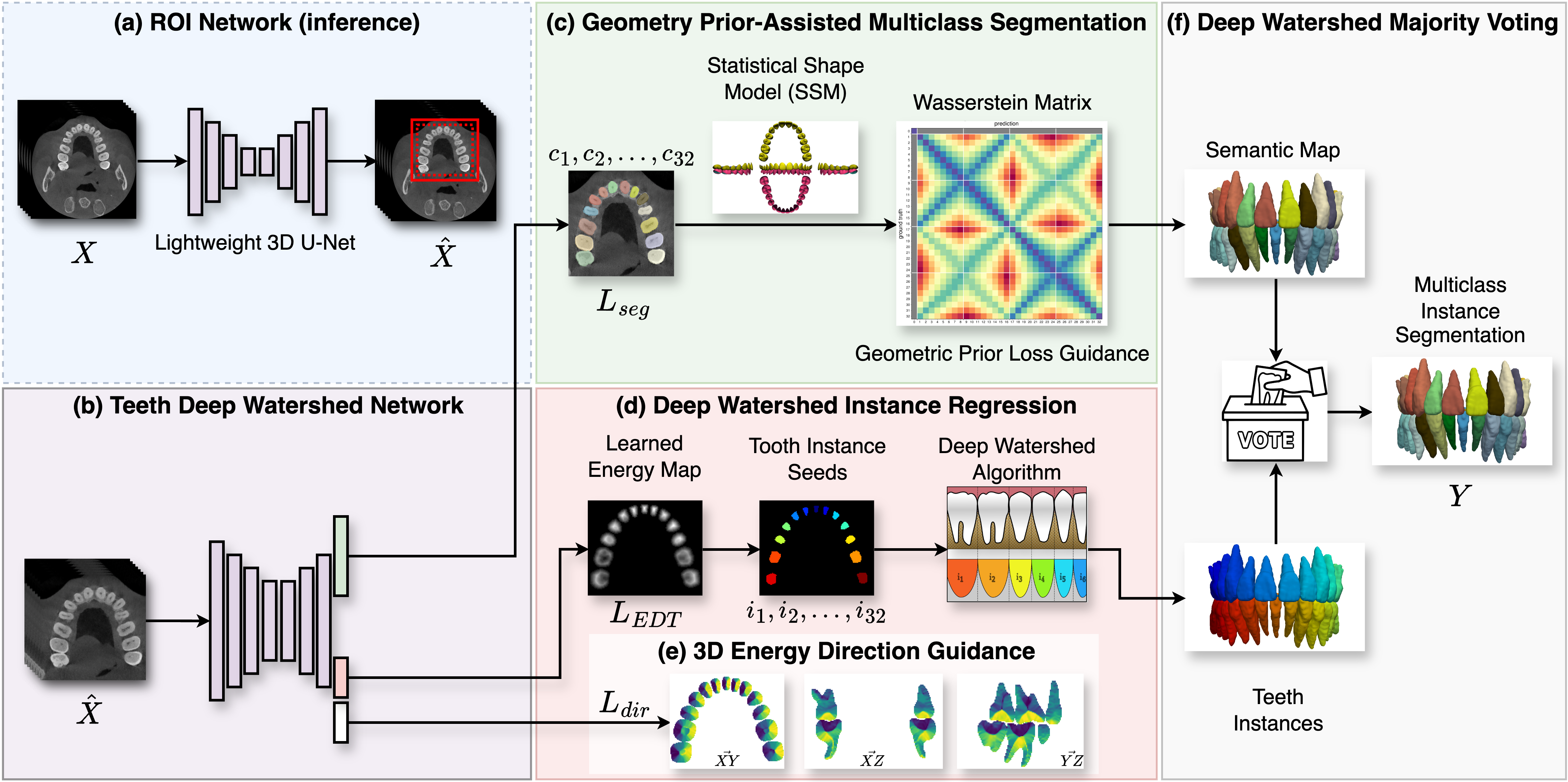
Tomasz Szczepański, Szymon Płotka, Michał K. Grzeszczyk, Arleta Adamowicz, Piotr Fudalej, Przemysław Korzeniowski, Tomasz Trzciński, Arkadiusz Sitek Medical Image Computing and Computer Assisted Intervention (MICCAI), 2025 Paper / Code / Project page / Dataset We introduce GEPAR3D, a novel approach that unifies instance detection and multi-class segmentation into a single step tailored to improve root segmentation from CBCT scans. |
|
Sabina Martyniak, Joanna Kaleta, Diego Dall'Alba, Michał Naskręt, Szymon Płotka, Przemysław Korzeniowski Winter Conference on Applications of Computer Vision (WACV), 2025 Paper / Code / Dataset This work introduces a multi-stage pipeline for generating realistic synthetic data, featuring a fully-fledged surgical simulator that automatically produces all necessary annotations for modern CAS systems. |
|
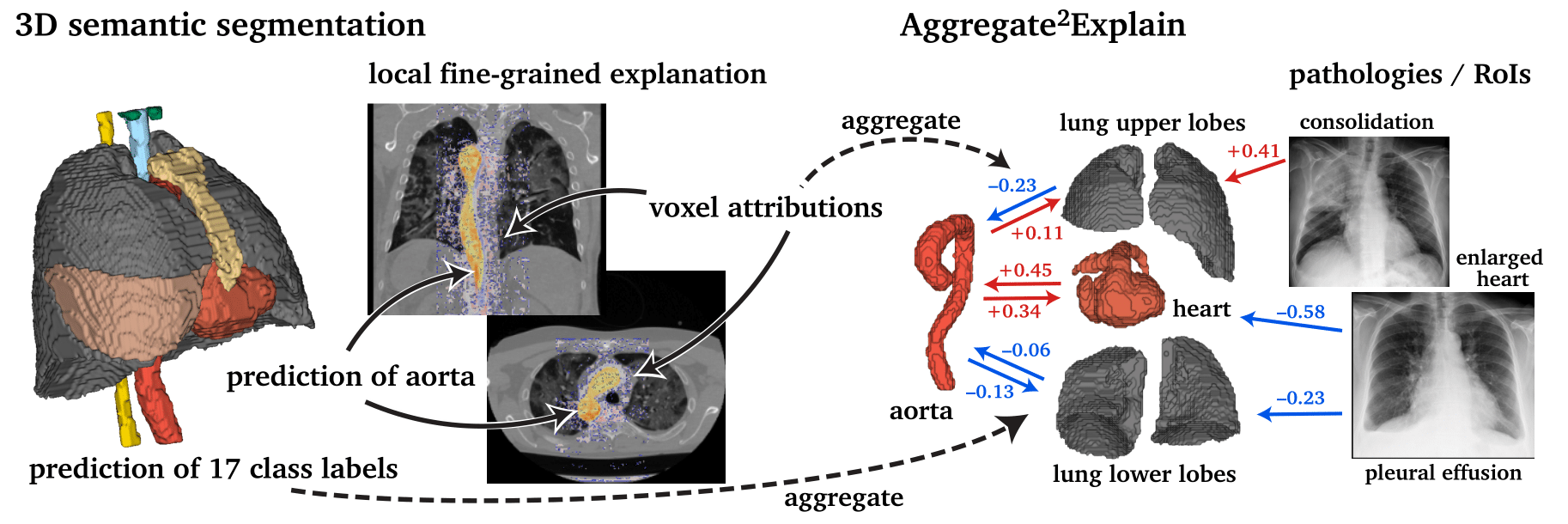
Maciej Chrabaszcz, Hubert Baniecki, Piotr Komorowski, Szymon Płotka, Przemysław Biecek Winter Conference on Applications of Computer Vision (WACV), 2025 Oral Paper / Code We introduce Agg2Exp, a methodology for aggregating fine-grained voxel attributions of the segmentation model’s predictions. |
|
Szymon Płotka, Tomasz Szczepański, Paula Szenejko, Przemysław Korzeniowski, Jesús Rodriguez Calvo, Asma Khalil, Alireza A. Shamshirsaz, Robert Brawura-Biskupski-Samaha, Ivana Išgum, Clara I. Sánchez, Arkadiusz Sitek Medical Image Analysis, 2025, Paper / Code / Dataset To enhance the visualization of placental vessels during surgery, we propose TTTSNet, a network architecture designed for real-time and accurate placental vessel segmentation. |
|
|
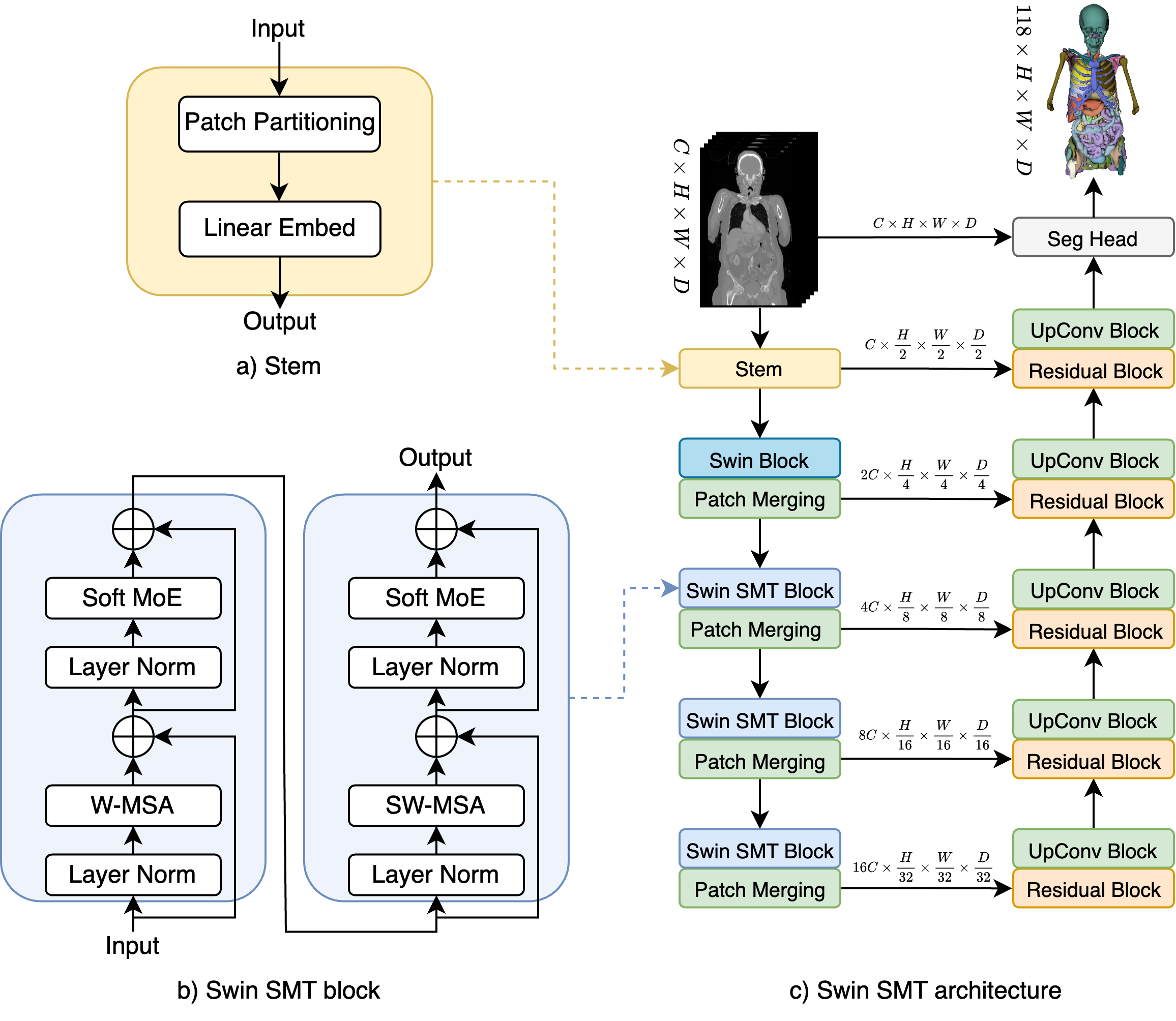
Szymon Płotka, Maciej Chrabaszcz, Przemysław Biecek Medical Image Computing and Computer Assisted Intervention (MICCAI), 2024, Spotlight Paper / Code We introduce Swin Soft Mixture Transformer (Swin SMT) to effectively handle complex and diverse long-range dependencies in 3D medical image segmentation. |
|
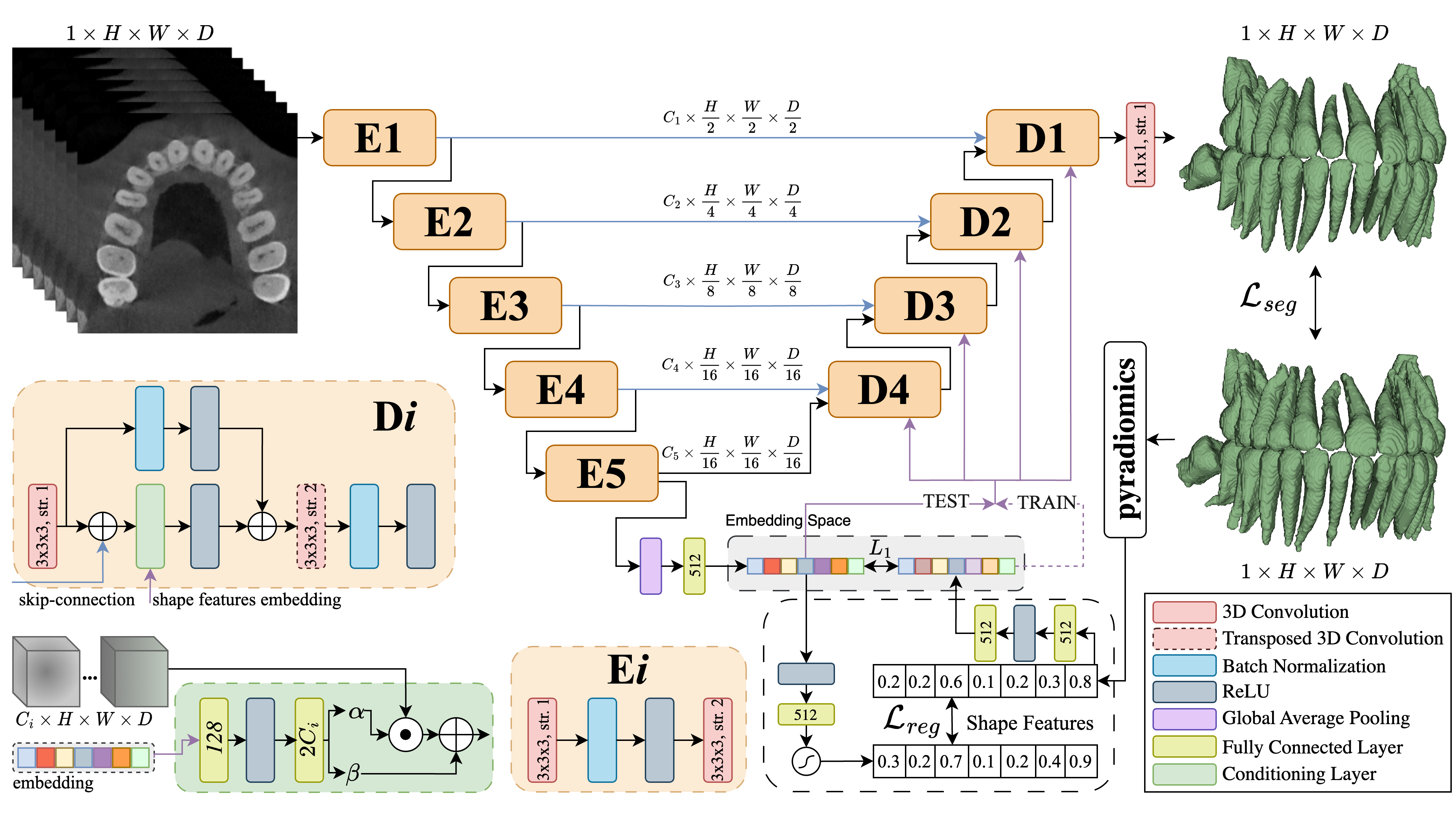
Tomasz Szczepański, Michał K. Grzeszczyk, Szymon Płotka, Arleta Adamowicz, Piotr Fudalej, Przemysław Korzeniowski, Tomasz Trzciński, Arkadiusz Sitek Medical Image Computing and Computer Assisted Intervention (MICCAI), 2024 Paper / Code We introduce a novel approach, DeCode, that utilizes label-derived features for model conditioning to support the decoder in the reconstruction process dynamically, aiming to enhance the efficiency of the training process. |
|
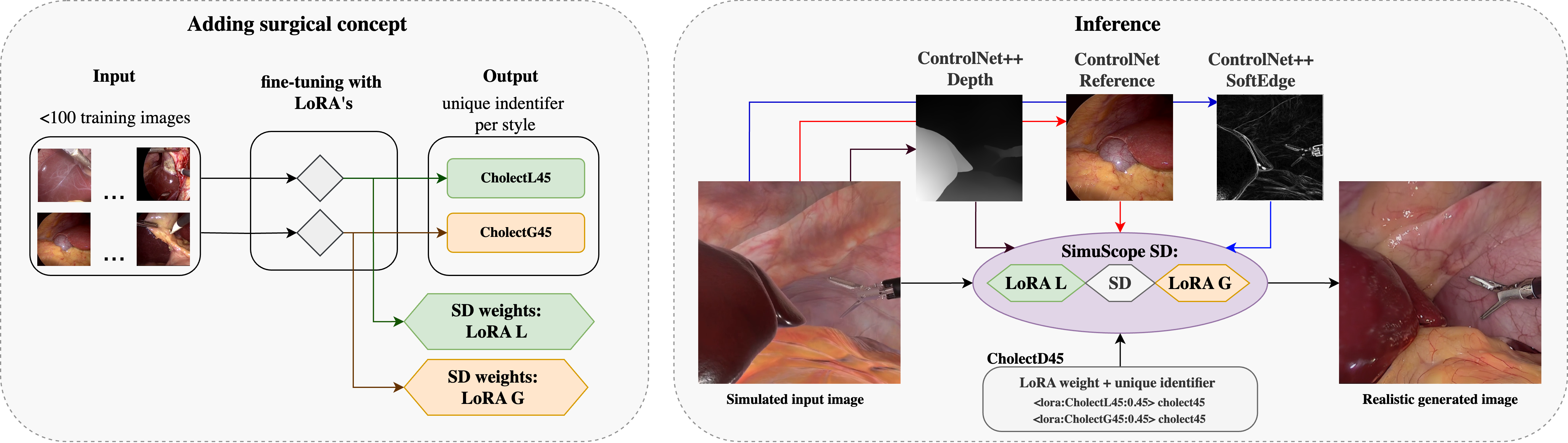
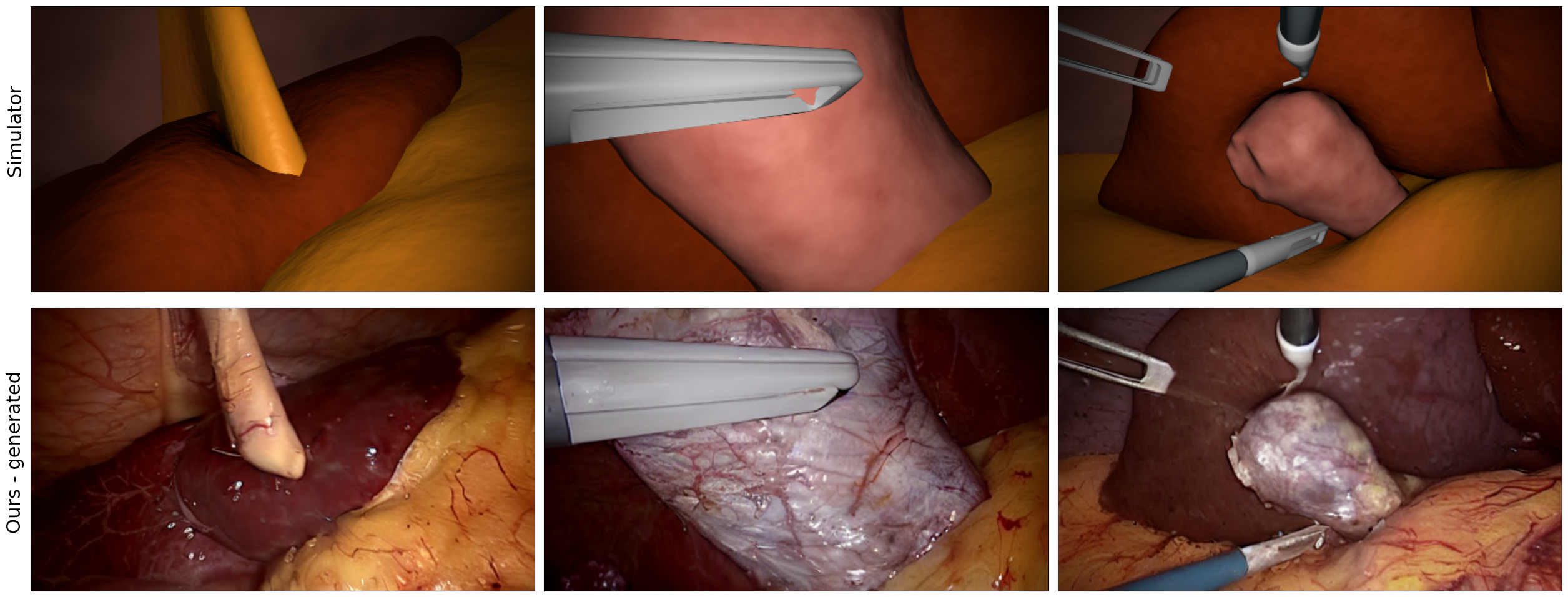
Joanna Kaleta, Diego Dall'Alba, Szymon Płotka, Przemysław Korzeniowski International Journal of Computer Assisted Radiology and Surgery, 2024 NVIDIA Best Student Paper Award during NeurIPS 2023 Workshop on Diffusion Models Paper / Code / Dataset We propose a method for image-to-image translation based on a Stable Diffusion model, which generates realistic images starting from synthetic data. |
|
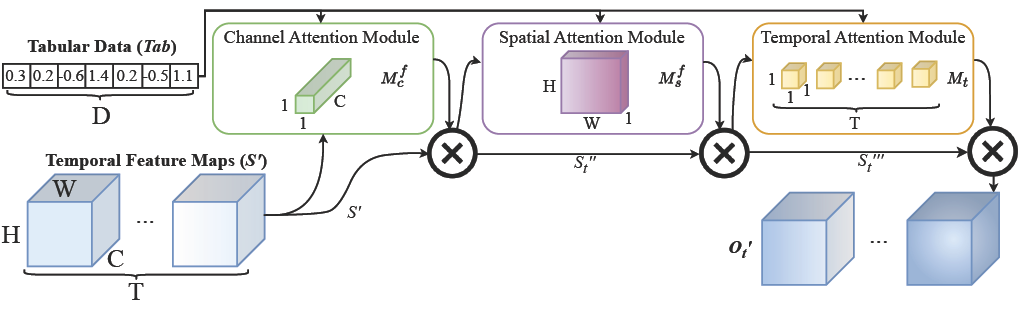
Michał K. Grzeszczyk, Szymon Płotka, Beata Rebizant, Katarzyna Kosińska-Kaczyńska, Michał Lipa, Robert Brawura-Biskupski-Samaha, Przemysław Korzeniowski, Tomasz Trzciński, Arkadiusz Sitek Medical Image Computing and Computer Assisted Intervention (MICCAI), 2023 Paper / Code We introduce TabAttention, a novel module that enhances the performance of Convolutional Neural Networks (CNNs) with an attention mechanism that is trained conditionally on tabular data. |
|
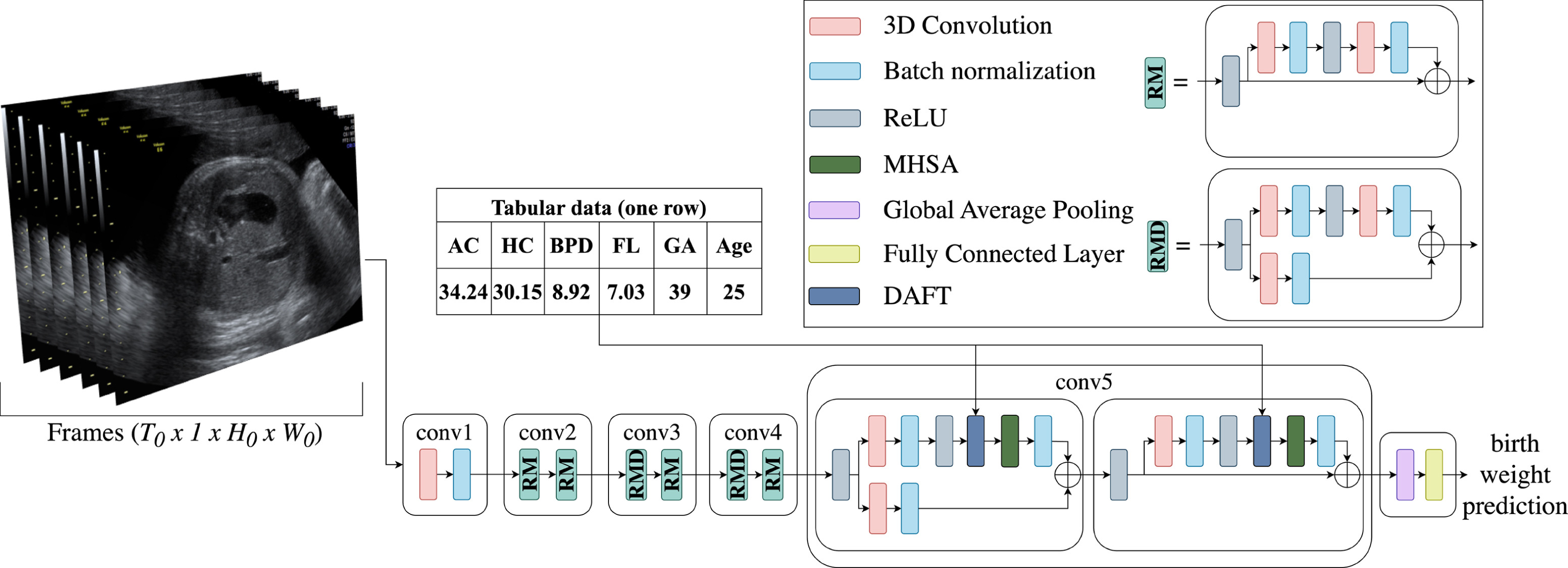
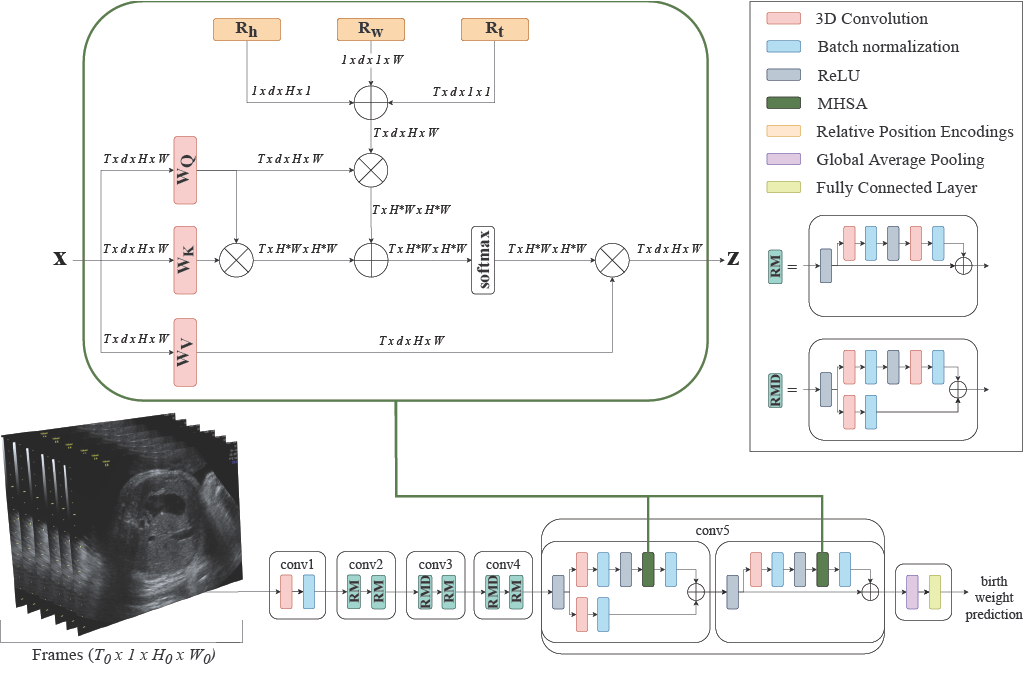
Szymon Płotka, Michał K. Grzeszczyk, Robert Brawura-Biskupski-Samaha, Paweł Gutaj, Michał Lipa, Tomasz Trzciński, Ivana Išgum, Clara I. Sánchez, Arkadiusz Sitek Computers in Biology and Medicine, 2023, Paper / Code We present a novel method that automatically predicts fetal birth weight by using fetal ultrasound video scans and clinical data. |
|
Szymon Płotka, Michał K. Grzeszczyk, Robert Brawura-Biskupski-Samaha, Paweł Gutaj, Michał Lipa, Tomasz Trzciński, Arkadiusz Sitek Medical Image Computing and Computer Assisted Intervention (MICCAI), 2022 Paper / Code We introduce an end-to-end method, called BabyNet, automatically predicts fetal birth weight based on fetal ultrasound video scans. |